Embark on your indoor gardening journey with The Best Greenhouse Potting Supplies to Start Your Indoor Garden Today. This guide is designed to equip you with the knowledge and tools necessary to create a thriving garden oasis within the confines of your home.
From essential supplies to container selection and maintenance tools, this guide covers all aspects of greenhouse potting to help you kickstart your indoor gardening adventure with confidence.
Types of Greenhouse Potting Supplies
Starting an indoor garden requires essential supplies to ensure the success of your plants. From pots to soil, having the right greenhouse potting supplies is crucial for a thriving garden.Pots and Trays
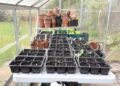
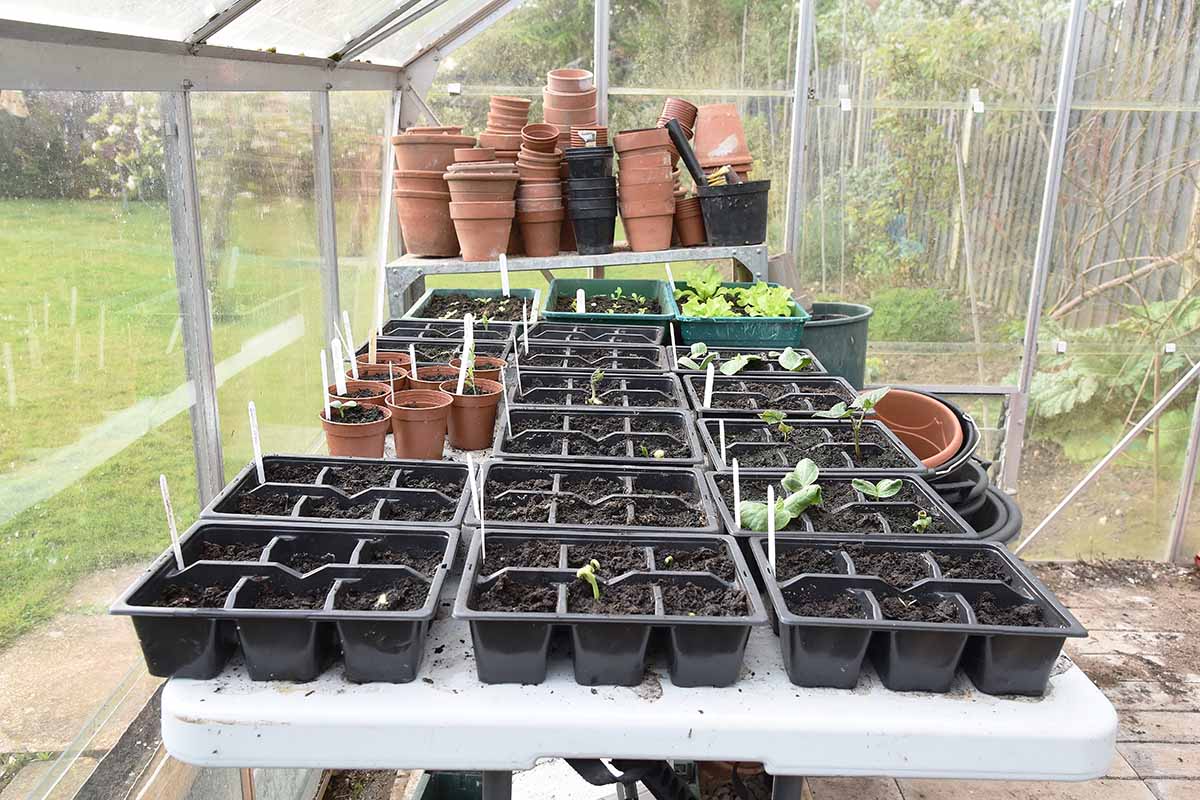
When choosing pots and trays for your greenhouse, consider the material and size. Plastic pots are lightweight and durable, while clay pots are porous and allow for better airflow. Trays are essential for holding multiple pots and providing a reservoir for water drainage.Tools
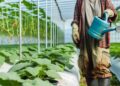
Having the right tools for potting is essential. A trowel, hand pruners, and a watering can are basic tools needed for maintaining your indoor garden. Consider investing in a quality pair of gloves to protect your hands while gardening.Soil and Fertilizers
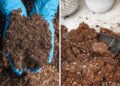
Quality soil is the foundation of a successful indoor garden. Look for potting mixes specifically designed for the types of plants you are growing. Fertilizers are essential for providing nutrients to your plants, promoting healthy growth and blooming.Plant Labels
Plant labels are often overlooked but are important for keeping track of your plants. Labeling each pot ensures you know what you are growing and allows you to monitor the progress of each plant. Invest in durable plant labels that will withstand watering and sun exposure.Choosing the Right Containers
When starting an indoor garden, selecting the right containers is crucial for the success of your plants. Different container materials offer various benefits, and choosing the appropriate size and depth is essential for the health and growth of your plants.Plastic containers are lightweight, durable, and affordable. They come in a variety of sizes and shapes, making them suitable for a wide range of plants. Terracotta pots are porous and allow for better airflow to the roots, but they can dry out quickly and may require more frequent watering. Fabric pots are breathable, promoting healthy root growth and preventing root circling.Benefits of Different Container Materials
- Plastic containers: Lightweight, durable, and affordable.
- Terracotta pots: Porous, allowing better airflow to roots.
- Fabric pots: Breathable, promoting healthy root growth.
Tips for Selecting the Appropriate Size and Depth
- Consider the mature size of the plant.
- Choose deeper containers for plants with extensive root systems.
- Shallower pots are suitable for smaller plants.
Advantages of Self-Watering Containers
- Convenient for busy schedules.
- Prevents over or under-watering.
- Helps maintain consistent moisture levels for plants.
Essential Tools for Potting and Maintenance
Must-Have Tools
- Trowels: Essential for digging and planting in your containers.
- Pruners: Used for trimming and shaping your plants as they grow.
- Watering Cans: Necessary for watering your plants without flooding them.
- Potting Benches: Provide a convenient workspace for repotting and maintaining your plants.
Comfortable Gardening
- Gloves: Protect your hands from dirt, thorns, and sharp edges.
- Aprons: Keep your clothes clean and protect them from soil and water stains.
- Kneeling Pads: Cushion your knees and provide comfort while working on low-level tasks.
Maintaining Optimal Conditions
- Grow Lights: Ensure your plants receive sufficient light for healthy growth, especially in low-light environments.
- Humidity Meters: Monitor the humidity levels in your greenhouse to prevent issues like mold or drying out of plants.
- Thermometers: Help you keep track of the temperature inside the greenhouse to ensure it stays within the ideal range for your plants.
Organic and Eco-Friendly Supplies
When starting an indoor garden, it is essential to prioritize organic and eco-friendly supplies to promote a healthy environment for your plants.
Organic Soil Mixes, Compost, and Natural Pest Control
Using organic soil mixes and compost enriches the soil with essential nutrients without harmful chemicals. Natural pest control methods, such as introducing beneficial insects or using neem oil, help maintain a balanced ecosystem in your greenhouse.
Eco-Friendly Pots Made from Biodegradable Materials
Eco-friendly pots made from biodegradable materials like bamboo or coconut coir not only reduce plastic waste but also provide a sustainable option for your plants. These pots break down naturally over time, minimizing environmental impact.
Creating a Sustainable Indoor Garden
To create a sustainable indoor garden, focus on reducing waste by composting organic materials and using renewable resources. By choosing eco-friendly supplies and practices, you can cultivate a thriving garden while minimizing your carbon footprint.
Closing Notes
In conclusion, by investing in the best greenhouse potting supplies, you are setting yourself up for success in cultivating a lush and vibrant indoor garden. With the right tools and knowledge at your disposal, the possibilities are endless. Start your gardening journey today and watch your indoor oasis come to life.
Common Queries
What are the benefits of using self-watering containers?
Self-watering containers provide a consistent water supply to plants, reducing the risk of over or under-watering. They are especially beneficial for busy individuals or those new to gardening.
How can I create a sustainable indoor garden?
To create a sustainable indoor garden, focus on using organic soil mixes, compost, and eco-friendly pots. Reduce waste by composting and recycling, and opt for renewable resources whenever possible.
What are the advantages of using grow lights for indoor gardening?
Grow lights help supplement natural sunlight, especially in spaces with limited light exposure. They promote healthy plant growth and are essential for maintaining optimal growing conditions indoors.