Delving into Eco-Friendly Greenhouse Potting Supplies: Reducing Your Carbon Footprint, this introduction immerses readers in a unique and compelling narrative, with casual formal language style that is both engaging and thought-provoking from the very first sentence.
Exploring the world of eco-friendly greenhouse potting supplies not only benefits the environment but also offers a sustainable solution for gardening enthusiasts. From reducing waste to utilizing renewable energy sources, there are various ways to make a positive impact on the planet through your potting practices. Let's dive in and discover how you can play a part in reducing your carbon footprint with eco-friendly choices.
Importance of Eco-Friendly Greenhouse Potting Supplies
Using eco-friendly greenhouse potting supplies is crucial for reducing environmental impact and promoting sustainability in gardening practices. These supplies offer a range of benefits that contribute to a healthier planet and a more sustainable future.
Benefits of Using Eco-Friendly Supplies
- Reduce environmental pollution: Eco-friendly potting supplies are made from natural, biodegradable materials that break down without releasing harmful chemicals into the environment.
- Conserve natural resources: By using sustainable materials like peat-free compost, coconut coir, or recycled plastic pots, you help minimize the exploitation of finite resources.
- Promote biodiversity: Eco-friendly supplies support healthy soil microbiota and reduce the risk of contaminating water sources with synthetic chemicals, creating a more biodiverse ecosystem.
Examples of Eco-Friendly Materials Used in Potting Supplies
- Bamboo pots: Bamboo is a renewable resource that grows quickly and can be used to create biodegradable pots that are sturdy and long-lasting.
- Organic fertilizers: Natural fertilizers like compost, worm castings, and seaweed extract provide essential nutrients to plants without the use of synthetic chemicals.
- Biodegradable seed trays: Seed trays made from recycled paper or cardboard decompose easily, reducing waste and minimizing environmental impact.
Sustainable Practices in Greenhouse Potting
Implementing sustainable practices in greenhouse potting is crucial for reducing environmental impact and promoting eco-friendly gardening. By making conscious choices in your potting activities, you can contribute to a healthier planet and create a more sustainable growing environment. Here are some sustainable practices to consider:Comparing Traditional Potting Methods with Eco-Friendly Alternatives
When it comes to potting plants in a greenhouse, traditional methods often involve the use of plastic pots, synthetic fertilizers, and peat-based potting mixes. These practices can have a significant environmental impact due to the production and disposal of plastic, the release of harmful chemicals from synthetic fertilizers, and the depletion of peat bogs.On the other hand, eco-friendly alternatives include using biodegradable pots made from materials like coconut coir or rice hulls, organic fertilizers derived from natural sources, and sustainable potting mixes that are peat-free. These alternatives are not only better for the environment but also promote healthier plant growth.Tips to Reduce Waste During Potting Activities
1. Reuse containers: Instead of using single-use plastic pots, opt for reusable containers like ceramic or terracotta pots. 2. Compost organic waste: Collect plant trimmings, old potting mix, and other organic waste to create nutrient-rich compost for your plants. 3. Choose sustainable materials: Look for potting supplies made from recycled or renewable materials to reduce your carbon footprint. 4. Buy in bulk: Purchase potting mix and fertilizers in larger quantities to minimize packaging waste. 5. Practice water conservation: Use a watering can or drip irrigation system to avoid water waste during potting activities.By incorporating these sustainable practices into your greenhouse potting routine, you can take positive steps towards reducing your environmental impact and creating a more eco-friendly growing space.Eco-Friendly Materials for Potting Supplies
When it comes to choosing eco-friendly materials for potting supplies, there are several options available that can help reduce your carbon footprint while still providing effective gardening solutions.
Biodegradable Pots
- Biodegradable pots are made from materials such as peat, wood pulp, or coconut coir, which break down naturally over time without harming the environment.
- These pots are durable enough to hold plants during their growth stages but will eventually decompose when planted directly into the soil, reducing waste.
- By using biodegradable pots, you can avoid plastic containers that take hundreds of years to degrade, thus minimizing environmental impact.
Organic Soil Mixes
- Organic soil mixes are composed of natural ingredients like compost, peat moss, and perlite, which are free from synthetic chemicals and pesticides.
- These mixes provide essential nutrients for plant growth while promoting soil health and microbial activity, creating a sustainable growing environment.
- By using organic soil mixes, you can support healthy plant growth without introducing harmful substances into the ecosystem.
Recycled Plant Markers
- Recycled plant markers are made from materials like bamboo, reclaimed wood, or recycled plastic, reducing the need for new resources.
- These markers can be used to label plants in your greenhouse, helping you keep track of different varieties while reducing waste.
- By opting for recycled plant markers, you can minimize the environmental impact of your gardening practices and promote sustainability.
Energy-Efficient Solutions in Greenhouse Potting
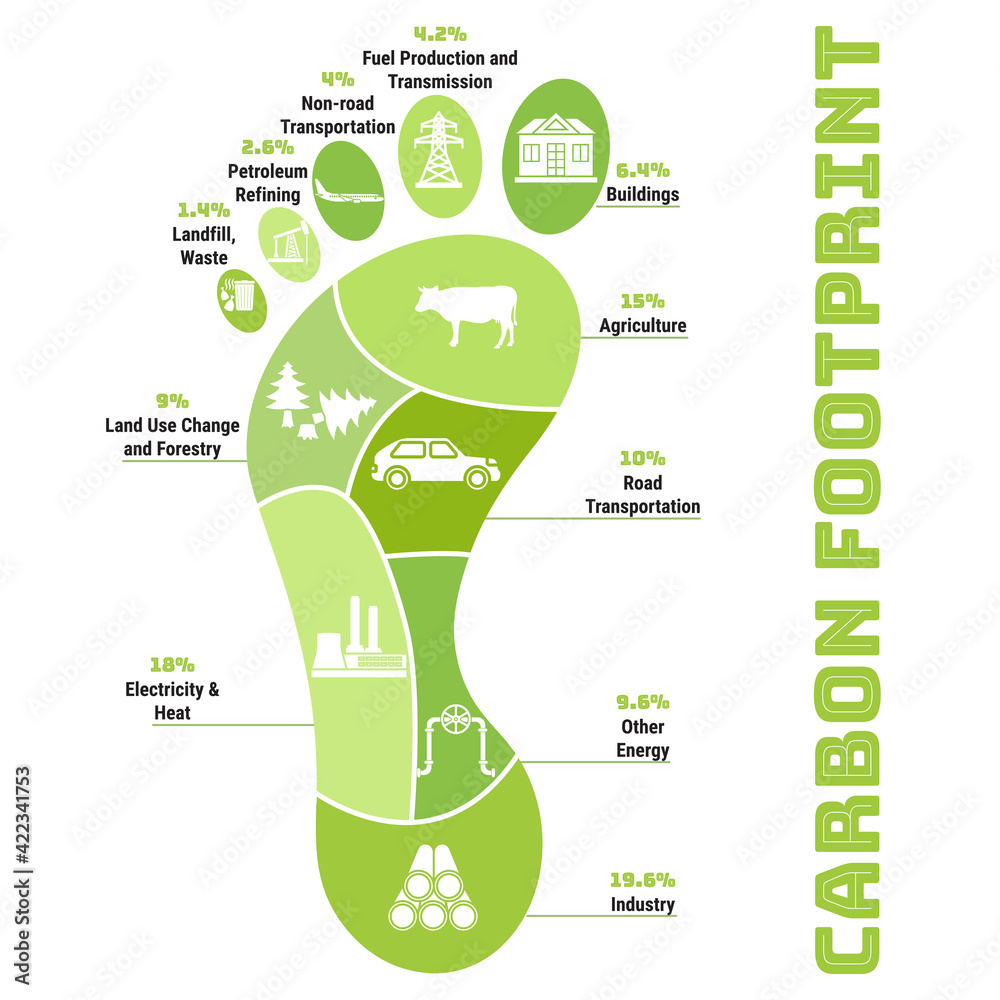
When it comes to greenhouse potting, incorporating energy-efficient practices is crucial in reducing carbon footprint and promoting sustainability. By utilizing renewable energy sources and energy-saving tools, greenhouse operations can be more environmentally friendly.
Utilizing Renewable Energy Sources
- Install solar panels on the greenhouse roof to capture sunlight and convert it into electricity to power lighting, heating, and other equipment.
- Utilize wind turbines to generate electricity for greenhouse operations, especially in areas with consistent wind patterns.
- Explore geothermal energy systems to regulate temperature in the greenhouse without relying on traditional heating and cooling methods.
Energy-Saving Tools and Equipment
- Switch to energy-efficient LED grow lights that consume less electricity while providing optimal lighting for plant growth.
- Invest in programmable thermostats and sensors to control heating and cooling systems based on plant needs and environmental conditions.
- Use energy-efficient fans and ventilation systems to maintain proper air circulation and temperature levels inside the greenhouse.
Recycling and Composting in Greenhouse Potting
When it comes to greenhouse potting, incorporating recycling and composting practices can bring numerous benefits to both the environment and your plants. By reusing materials and composting organic waste, you can reduce waste, improve soil health, and promote sustainable gardening practices.Benefits of Recycling and Composting
- Reducing waste sent to landfills
- Conserving valuable resources
- Lowering greenhouse gas emissions
- Enhancing soil fertility
Creative Ways to Reuse Materials
- Repurpose old containers for seed starting
- Use egg cartons or toilet paper rolls as biodegradable seed starters
- Turn old pallets into vertical planters
Impact of Composting on Soil Health
Composting organic waste not only diverts it from landfills but also enriches the soil with essential nutrients. The decomposition process creates nutrient-rich humus, improving soil structure, water retention, and microbial activity. As a result, plants grown in compost-amended soil tend to be healthier and more productive.Final Conclusion
In conclusion, adopting eco-friendly greenhouse potting supplies is a significant step towards reducing your carbon footprint and contributing to a greener planet. By embracing sustainable practices, using environmentally friendly materials, and incorporating energy-efficient solutions, you can make a difference in the world of potting. Start making conscious choices today to create a more eco-friendly future for generations to come.
General Inquiries
What are the benefits of using eco-friendly potting supplies?
Using eco-friendly potting supplies reduces the environmental impact, promotes sustainability, and helps in reducing your carbon footprint.
How do eco-friendly materials contribute to reducing environmental impact?
Eco-friendly materials are biodegradable, renewable, and require less energy to produce, leading to a lower carbon footprint compared to traditional materials.
What are some sustainable practices that can be implemented in greenhouse potting?
Sustainable practices include composting, recycling, reducing waste, using renewable energy sources, and choosing eco-friendly materials for potting activities.
How can composting benefit soil health and plant growth in greenhouse potting?
Composting enriches the soil with nutrients, improves soil structure, retains moisture, and promotes healthy plant growth in greenhouse potting.