Kicking off with Emergency Yard Clean Up Near Me: Quick Solutions After Storm Damage, this opening paragraph is designed to captivate and engage the readers, providing an interesting overview of the importance of immediate clean up after storm damage and the tools required for efficient yard clean up.
The content of the second paragraph that provides descriptive and clear information about the topic
Importance of Emergency Yard Clean Up After Storm Damage
When a storm hits, quick solutions for emergency yard clean up are crucial to ensure the safety and well-being of your property and those around you.
Preventing Hazards
Leaving storm debris unattended can pose potential dangers such as tripping hazards, sharp objects, and even the risk of further damage to your property or neighboring areas.
Protecting Your Property
Immediate clean up after a storm can significantly impact the safety and security of your property by reducing the risk of accidents, preventing further damage, and restoring the aesthetic appeal of your yard.
Essential Tools and Equipment for Yard Clean Up
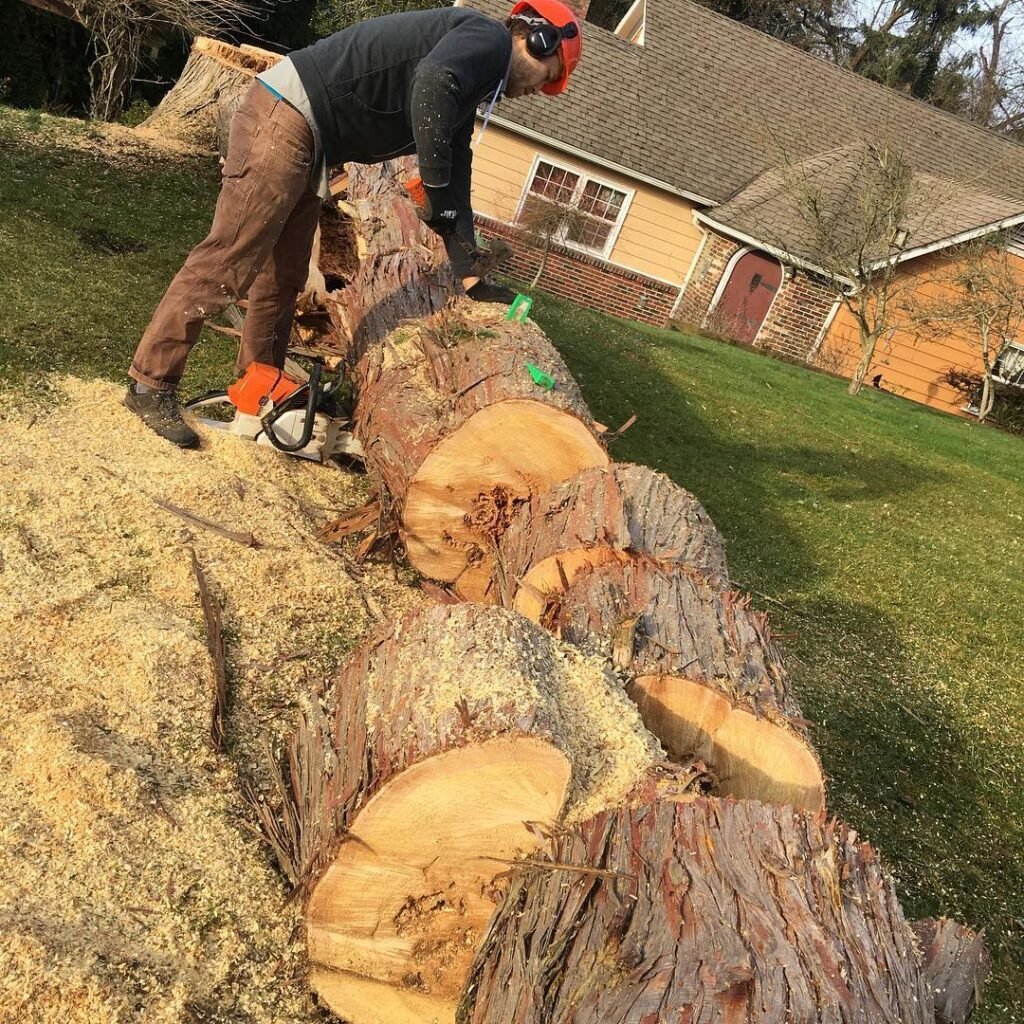 When it comes to emergency yard clean up after storm damage, having the right tools and equipment is crucial to ensure a quick and efficient process.
Necessary Tools for Efficient Clean Up
- Rakes: Used to gather and collect debris such as leaves, branches, and other yard waste.
- Shovels: Ideal for scooping up heavy debris like mud, rocks, and large branches.
- Chainsaw: Essential for cutting and removing fallen trees or large branches.
- Gloves: Protect your hands from sharp objects and potential hazards while clearing debris.
Safety Gear Required During the Process
- Work Gloves: Ensure a firm grip and protect your hands from splinters, cuts, and other injuries.
- Steel-Toed Boots: Provide protection for your feet from sharp objects and heavy debris.
- Safety Glasses: Shield your eyes from dust, debris, and other harmful materials while working.
- Hard Hat: Protect your head from falling branches, debris, or other potential hazards.
How Each Tool is Used to Clear Debris Effectively
- Rakes: Use rakes to gather debris into piles for easy collection and disposal.
- Shovels: Scoop up heavy debris and transfer it to a disposal area or container.
- Chainsaw: Cut fallen trees or large branches into smaller pieces for easier removal.
- Gloves: Wear gloves to safely handle debris without risking cuts or injuries to your hands.
Steps to Safely Assess Storm Damage in Your Yard
When a storm hits, it's crucial to assess the damage in your yard to ensure safety and prioritize clean-up tasks effectively.Checklist to Assess the Extent of Damage:
- Inspect trees for uprooted or broken branches.
- Check for damage to structures like fences, sheds, or outdoor furniture.
- Look for standing water, which can indicate drainage issues.
- Assess the condition of your lawn for flooding or erosion.
How to Prioritize Tasks Based on the Severity of Damage:
- Start by addressing any immediate safety hazards, such as fallen power lines or unstable trees.
- Next, focus on clearing pathways and driveways to ensure accessibility.
- Repair any structural damage to prevent further deterioration.
- Tackle debris removal and clean up the yard in stages, starting with the most heavily affected areas.
Tips on Identifying Potential Hazards While Assessing the Yard:
- Watch out for hidden dangers like exposed electrical wires or sharp debris.
- Be cautious around damaged trees or branches that could fall unexpectedly.
- Assess the stability of any structures before attempting repairs.
- Consider hiring a professional for tasks that pose significant risks, such as tree removal or structural repairs.
Quick Solutions for Emergency Yard Clean Up Near Me
After a storm hits, it's crucial to quickly clean up your yard to prevent further damage and ensure safety. Here is a step-by-step guide for immediate clean up post-storm:
Segregating Different Types of Debris
When cleaning up your yard after a storm, it's important to separate different types of debris to ensure safe disposal. Here are some tips on how to segregate debris:
- Separate organic debris (such as branches, leaves, and plants) from inorganic debris (like plastics, metal, and glass) to make disposal easier.
- Keep hazardous materials, like chemicals or batteries, separate from other debris to prevent contamination.
- Use designated containers or bags for different types of debris to streamline the disposal process.
Disposing of Storm Debris Safely and Responsibly
Once you have segregated the debris in your yard, it's important to dispose of it safely and responsibly. Here are some tips on how to do so:
- Contact your local waste management authorities to find out the proper disposal methods for different types of debris.
- Avoid burning debris, especially in urban areas, as it can be harmful to the environment and your health.
- Consider recycling or composting organic debris to reduce waste and promote sustainability.
- Hire professional services if you have large amounts of debris or hazardous materials that require special handling.
Final Conclusion
Wrapping up the discussion on Emergency Yard Clean Up Near Me: Quick Solutions After Storm Damage, it's crucial to prioritize safety and efficiency when dealing with post-storm debris. Implementing quick solutions and proper disposal methods can ensure the well-being of your property and surroundings.
Expert Answers
Why is immediate clean up after storm damage important?
Immediate clean up helps prevent further damage to your property and ensures the safety of your surroundings.
What tools are essential for yard clean up post-storm?
Tools such as rakes, chainsaws, and safety gear like gloves and goggles are essential for efficient clean up.
How can I safely dispose of storm debris?
Segregate debris, follow local disposal guidelines, and consider composting or recycling where possible.